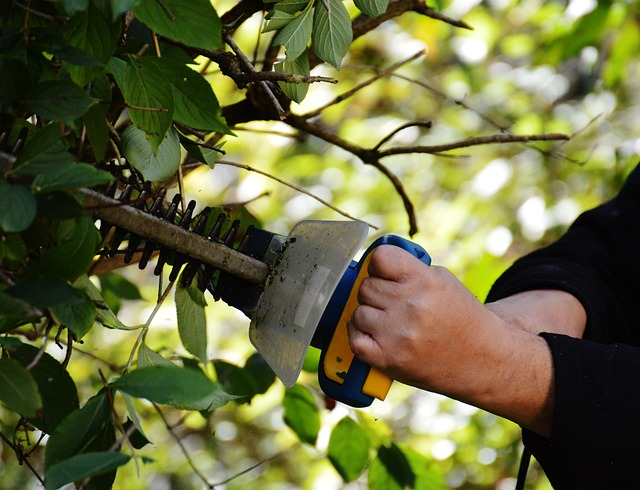
Husqvarna Trimmers: A Comprehensive Analysis
Introduction
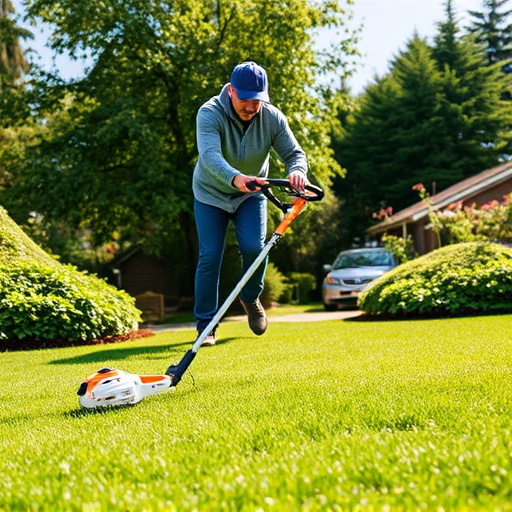
Welcome to an in-depth exploration of the world of Husqvarna trimmers, a vital component in the gardening and landscaping industry. This article aims to provide an extensive guide, delving into every facet of these powerful tools, from their historical roots to their global impact and future prospects. Husqvarna trimmers, known for their precision and efficiency, have revolutionized yard work, catering to both professional landscapers and enthusiastic homeowners. As we navigate through this analysis, readers will gain valuable insights into the significance, evolution, and potential of Husqvarna trimmers in our modern world.
Understanding Husqvarna Trimmers: A Definition and Its Components
What are Husqvarna Trimmers?
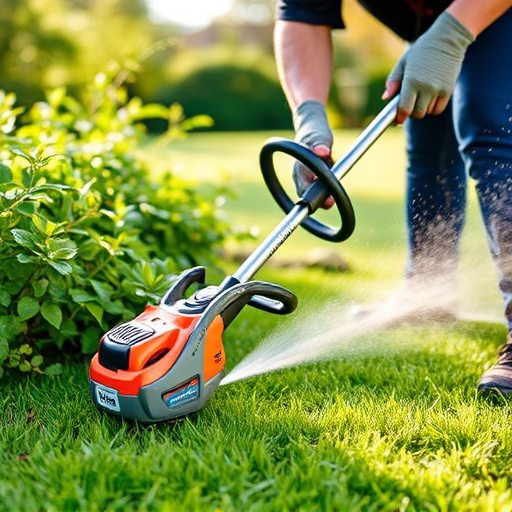
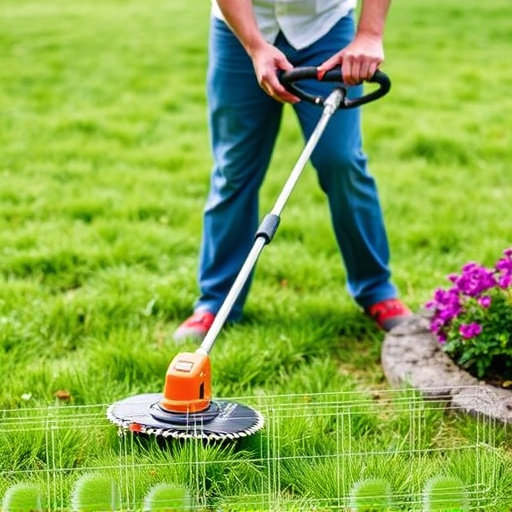
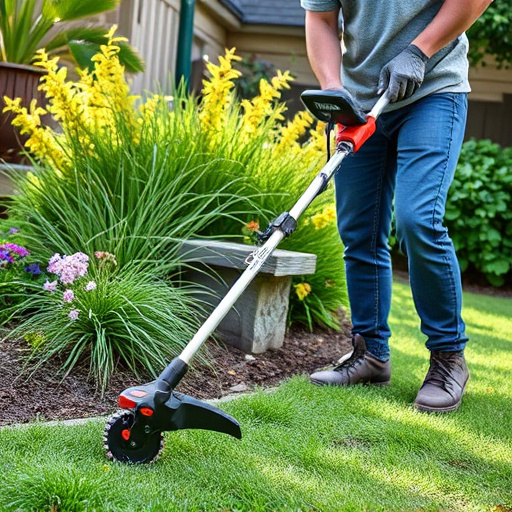
Husqvarna trimmers, part of the larger Husqvarna brand, represent a category of handheld power tools designed for cutting through thick grass, weeds, and undergrowth. They are versatile, lightweight, and equipped with advanced features to ensure user safety and efficiency. These trimmers have evolved from simple manual devices to modern electric and gas-powered machines, catering to diverse landscaping needs.
Core Components:
- Motor/Engine: The heart of the trimmer, providing the power to drive the cutting line or string. Husqvarna offers a range of options, including efficient electric motors and robust gasoline engines.
- Cutting Head: Housing the rotating cutting line or string, this component is designed to cut through vegetation with precision. Husqvarna incorporates advanced cutting technologies for optimal performance.
- Handle and Controls: Ergonomically designed handles ensure comfort during use. Controls include safety switches, throttle levers, and speed regulators.
- Fuel Tank (for Gas Trimmers): Stores gasoline, enabling extended runtime for more extensive landscaping projects.
- Power Transmission System: This mechanism delivers power from the motor/engine to the cutting head, ensuring smooth and efficient operation.
- Safety Features: Husqvarna trimmers are equipped with safety mechanisms like protective guards, string break systems, and anti-vibrating handles to minimize operator strain and risk.
Historical Context: A Journey of Innovation
The evolution of Husqvarna trimmers traces back to the early 20th century when the Swedish company, Husqvarna AB, began manufacturing agricultural machinery. In the 1950s, they introduced the first electric hand-held grass trimmer, marking a significant shift in landscaping tools. This innovation allowed for more precise and controlled cutting, catering to the growing demand for neat lawn maintenance.
Over time, Husqvarna expanded its trimmer range, incorporating gasoline-powered models to cater to more demanding applications. The company’s focus on research and development led to breakthroughs in motor technology, cutting head design, and ergonomic handles, making their trimmers industry leaders. Today, Husqvarna offers a comprehensive portfolio of trimmers, catering to residential, commercial, and agricultural needs.
Global Impact and Trends: A World-Wide Revolution
Husqvarna trimmers have left an indelible mark on the global landscaping landscape. Their impact is evident across various regions, each adopting and adapting these tools to local conditions and preferences.
North America: In the United States and Canada, Husqvarna trimmers are widely used for residential lawn maintenance and commercial landscaping. The region’s preference for well-manicured lawns drives the demand for advanced trimmers with quiet operation and minimal vibration.
Europe: Across Europe, Husqvarna enjoys a strong market presence, particularly in countries like Germany and the UK. Here, landscape architects and contractors rely on these trimmers for detailed edging and maintenance of urban green spaces.
Asia-Pacific: In regions like Japan and Australia, where compact yards are common, lightweight, easy-to-maneuver trimmers are favored. Husqvarna’s response includes lighter models with advanced handling capabilities.
Trends Shaping the Future:
- Electric Power: The trend towards electric vehicles and tools is reflected in Husqvarna’s offerings, with an increasing focus on low-vibration, quiet electric trimmers to reduce noise pollution.
- Smart Technology Integration: Husqvarna explores the integration of smart sensors and connectivity, allowing users to monitor performance and schedule maintenance remotely.
- Ergonomic Design: There is a growing demand for ergonomic trimmers that reduce operator fatigue, leading to more comfortable and efficient use.
- Sustainability: The industry is moving towards eco-friendly practices, with Husqvarna focusing on sustainable materials and reduced emissions in their products.
Economic Considerations: Market Dynamics and Impact
The global market for Husqvarna trimmers is a dynamic and lucrative sector, influenced by various economic factors.
Market Size and Growth:
According to recent reports, the global lawn and garden equipment market, including trimmers, is projected to reach USD 41.2 billion by 2027, growing at a CAGR of 5.8% from 2020 to 2027. Husqvarna, as a key player, benefits from this growth, with its trimmer sales contributing significantly to the company’s revenue.
Investment and Production:
Husqvarna has strategically invested in research and development, expanding its production capabilities worldwide. They operate manufacturing facilities in several countries, ensuring local production and distribution networks. This approach reduces transportation costs and enables faster market response to regional demands.
Economic Impact:
- Employment: Husqvarna’s global operations support numerous jobs, from manufacturing and sales to research and after-sales service.
- Rural Development: In agricultural regions, the demand for trimmers contributes to local economies, providing income opportunities for farmers and small businesses.
- Export and Trade: Husqvarna’s international presence facilitates trade, with its products exported globally, enhancing cultural exchange through shared landscaping practices.
Technological Advancements: Pushing the Boundaries
Husqvarna has consistently driven innovation in the trimmer market, incorporating cutting-edge technologies to enhance performance and user experience.
Motor Technology:
- X-Torq Engine: Husqvarna introduced this technology to deliver increased power while reducing fuel consumption and emissions. The X-Torq engine is known for its efficiency and durability.
- Super Performance (SP) Motors: These high-performance motors offer exceptional power-to-weight ratios, ensuring faster cutting and reduced strain on the operator.
Cutting Head Innovations:
- Auto-Tensioning Line System: This feature ensures optimal cutting string tension, maintaining line integrity for consistent performance.
- Quick-Release Cutting Heads: Husqvarna’s quick-release mechanism allows for easy replacement of cutting heads, accommodating various cutting tasks with minimal fuss.
Smart Connectivity and Sensors:
- Husqvarna Connect App: The company has developed a mobile application that enables users to monitor trimmer health, schedule maintenance, and access troubleshooting guides remotely.
- Intelligent Sensor Technology: Husqvarna explores the use of sensors to detect obstacles, adjust cutting speed, and optimize performance based on environmental conditions.
Future Potential:
- Drone Integration: Drones equipped with cameras could be integrated into trimmer systems for aerial landscaping inspections and planning.
- Artificial Intelligence (AI): AI algorithms can analyze vast data sets to predict maintenance needs, enhance cutting patterns, and optimize fuel efficiency.
- Voice Control: Voice assistants could become part of Husqvarna’s user interface, allowing hands-free control and enhanced accessibility.
Policy and Regulation: Navigating Legislative Frameworks
The development and distribution of Husqvarna trimmers are subject to various policies and regulations, ensuring safety, environmental protection, and fair trade practices.
Safety Standards:
- Electrical Safety: Trimmers with electric motors must comply with standards like IEC 60335 for electrical appliances, ensuring user safety from electrical hazards.
- Machinery Directives: The European Union’s Machinery Directive sets out safety requirements for mechanical equipment, including trimmers, to protect operators from injuries.
Environmental Regulations:
- Emission Standards: Husqvarna must adhere to strict emission regulations, particularly in regions with stringent air quality standards, to minimize the environmental impact of their gas-powered trimmers.
- Waste Management: Proper disposal and recycling of trimmer components are governed by regional waste management policies.
Trade and Customs:
- Tariffs and Import/Export Regulations: Husqvarna’s global operations navigate complex trade policies, ensuring compliance with customs duties, import quotas, and product standards across borders.
- Anti-Dumping Measures: Certain markets implement anti-dumping duties to prevent the unfair entry of imported trimmers, impacting Husqvarna’s pricing strategies.
Challenges and Criticisms: Overcoming Obstacles
Despite its numerous advantages, Husqvarna trimmers face several challenges and criticisms that require strategic solutions.
Main Challenges:
- Noise Pollution: Gas-powered trimmers are often criticized for their loud noise levels, leading to community disturbances. Husqvarna addresses this through the development of quieter engines.
- Vibration and Operator Fatigue: Prolonged use can cause operator strain due to vibrations. Ergonomic designs and advanced motor technology mitigate these issues.
- Environmental Impact: Gas trimmers contribute to air pollution and greenhouse gas emissions, prompting calls for more sustainable alternatives. Husqvarna’s focus on electric and eco-friendly models is a response to this challenge.
Strategic Solutions:
- Product Education: Husqvarna can partner with landscaping professionals to demonstrate the benefits of modern trimmers, addressing misconceptions and fostering industry adoption.
- Technology Adoption: Encouraging early adopters to test and promote advanced technologies can create a positive feedback loop, driving further innovation and market acceptance.
- Sustainable Initiatives: Investing in research for low-emission gas engines and expanding electric trimmer options aligns with sustainability goals and regulatory demands.
Case Studies: Real-World Applications and Lessons Learned
Case Study 1: Urban Landscaping in Stockholm, Sweden
In the heart of Stockholm, city landscapers utilize Husqvarna trimmers to maintain the city’s iconic green spaces and parks. The challenging urban environment, with tight spaces and diverse vegetation, requires precision and versatility. Husqvarna’s electric trimmers, known for their quiet operation and lightweight design, enable efficient cutting in narrow paths and around sensitive structures. This case study highlights the importance of tailored solutions and the impact of advanced technology on urban landscaping.
Case Study 2: Commercial Golf Course Maintenance in Florida, USA
Florida’s warm climate presents unique challenges for golf course maintenance. Husqvarna trimmers are employed to keep fairways and roughs in pristine condition. The region’s high humidity and frequent rain demand durable machines. Gas-powered Husqvarna trimmers, with their robust engines and advanced cooling systems, ensure consistent performance even under extreme conditions. This application demonstrates the reliability and durability of Husqvarna products in demanding environments.
Lessons Learned:
- Customization is Key: Successful applications require understanding local conditions and customizing solutions to meet specific needs.
- Durability and Reliability: In harsh environments, trimmers must be built to last, ensuring minimal downtime for maintenance.
- User Training: Proper training of landscaping professionals enhances the efficient use of trimmers, maximizing their potential.
Future Prospects: Emerging Trends and Strategic Considerations
The future of Husqvarna trimmers looks promising, with several growth areas and emerging trends shaping the industry.
Potential Growth Areas:
- Commercial and Industrial Applications: The demand for Husqvarna trimmers in commercial landscaping and garden maintenance services is expected to grow, driven by the increasing demand for aesthetically pleasing outdoor spaces.
- Remote and Rural Areas: With the rise of remote work and rural tourism, there will be a higher need for lightweight, portable trimmers suitable for off-grid locations.
- Do-it-Yourself (DIY) Market: The DIY trend continues to gain momentum, creating opportunities for Husqvarna to cater to enthusiastic homeowners with specialized trimmer models.
Emerging Trends:
- Smart Home Integration: As smart homes become the norm, Husqvarna might explore integration of its trimmers into home automation systems, allowing users to control and monitor their yard work remotely.
- Subscription Models: Instead of traditional ownership, some customers may prefer subscription-based services for trimmer rental or maintenance, reducing upfront costs.
- AI-Driven Maintenance: The use of AI to predict maintenance needs and optimize service schedules could become a game-changer, ensuring trimmers remain in peak condition.
Strategic Considerations:
- Sustainability Leadership: Husqvarna can further solidify its position as an industry leader by continuing to innovate sustainable products and practices, appealing to environmentally conscious consumers.
- Digital Transformation: Investing in digital technologies, such as the Internet of Things (IoT) and advanced analytics, could unlock new business models and enhance customer engagement.
- Global Partnerships: Collaborating with local businesses and landscaping professionals in emerging markets can facilitate market penetration and knowledge sharing.
Conclusion: Shaping the Future of Yard Work
Husqvarna trimmers have evolved from simple tools to sophisticated devices, revolutionizing yard work and landscaping practices worldwide. Their impact is evident in residential, commercial, and agricultural settings, where they offer precision, efficiency, and versatility. By embracing technological advancements, addressing challenges, and adapting to global trends, Husqvarna continues to shape the future of landscaping equipment.
As we look ahead, the company’s commitment to sustainability, digital innovation, and tailored solutions will be crucial in maintaining its competitive edge. Husqvarna trimmers, with their rich history and bright future, exemplify the fusion of technology and nature, enhancing our outdoor living spaces while minimizing environmental impact.
FAQ Section: Answering Common Questions
Q1: Are Husqvarna trimmers easy to use?
A: Yes, Husqvarna trimmers are designed with user-friendliness in mind. They offer intuitive controls, comfortable handles, and safety features that make them accessible for both beginners and experienced users.
Q2: How do I choose the right Husqvarna trimmer for my needs?
A: Consider factors like cutting width, power source (electric or gas), and intended use (residential, commercial, or agriculture). Husqvarna provides detailed product specifications to help you make an informed choice.
Q3: Are Husqvarna trimmers environmentally friendly?
A: Yes, Husqvarna is committed to sustainability. They offer a range of electric and low-emission gas trimmers, reducing environmental impact and noise pollution compared to traditional models.
Q4: Can I buy Husqvarna trimmer parts easily?
A: Absolutely! Husqvarna has an extensive network of authorized dealers and online retailers worldwide, ensuring easy access to genuine parts and accessories.
Q5: How do I maintain my Husqvarna trimmer?
A: Regular maintenance includes cleaning, oil changes, and blade sharpening. Husqvarna provides detailed care instructions and encourages users to follow a scheduled maintenance routine for optimal performance.
The Husqvarna 128L lawnmower introduces Power N Play technology, transforming yard work into fun for families. Its robust construction and efficient design ensure longevity and versatility for various tasks. With intuitive controls and ergonomic…….
Continue Reading
The Husqvarna Power N Play trimmers offer innovative solutions for lawn and landscaping tasks, featuring advanced mechanical design and powerful engines that adapt to diverse needs. Their exceptional performance in dense vegetation and challengi…….
Continue Reading
The Husqvarna Power N Play semi-automatic feed system revolutionizes lawn care with minimal effort, automatically feeding grass clippings back onto the lawn. Suitable for small front yards to vast backyards, these mowers offer a simple lever or…….
Continue Reading
Husqvarna Trimmers, a long-standing outdoor equipment manufacturer, offers high-performance, durable trimmers under its Power N Play series, catering to both professionals and enthusiasts. Their high-power models excel in challenging landscaping…….
Continue Reading
The Husqvarna 536LiRX is a leading Husqvarna Trimmer featuring a powerful brushless motor, offering enhanced performance and durability. Its innovative Power N Play technology reduces vibrations, ensuring comfort during extended use, especially…….
Continue Reading
The Husqvarna 128L is a robust, versatile trimmer praised for its powerful performance, durable construction, and innovative Husqvarna Trimmers features. With Power N Play technology, it offers effortless control and efficiency. Designed for bot…….
Continue Reading
Husqvarna Trimmers are industry leaders offering a diverse range of high-performance gardening equipment, catering to both amateur gardeners and professional landscapers with gas and electric models. Their Power N Play series features angled gea…….
Continue Reading
The Husqvarna 536LiRX lawnmower is a Power N Play solution powered by a cutting-edge brushless motor, offering exceptional performance and energy efficiency. Its advanced technology adapts speed and torque to grass type and conditions, minimizin…….
Continue Reading
Husqvarna Trimmers are industry leaders in performance and durability, catering to both professionals and DIY enthusiasts with their diverse range of models. The Power N Play experience offers advanced features like ergonomic designs, anti-vibra…….
Continue Reading
Husqvarna Trimmers, a leader in innovative gardening equipment, offers the 536LiRX, a game-changer featuring a powerful brushless motor for exceptional performance. This trimmer's advanced design combines lightweight build, smooth operation…….
Continue Reading
Husqvarna commercial-grade trimmers lead the market in durability and performance, catering to professional landscapers' diverse needs. Their innovative features, like integrated harnesses for ergonomic operation, ensure comfort and safety…….
Continue Reading
The Husqvarna 525RX is a powerful and versatile trimmer with a 45cm cutting width, ideal for both domestic and light commercial landscaping. Its 'Power N Play' technology delivers efficient performance with variable speed control and m…….
Continue Reading
Husqvarna Trimmers have cemented their position as leaders in lawn and garden care, offering a diverse range of equipment catering to varied user needs. Known for precision engineering and powerful performance, their Power N Play line combines e…….
Continue Reading
Commercial-grade Power N Play trimmers are top-of-the-line landscaping tools with integrated safety harnesses, offering power, durability, and versatility for professional users. Their advanced technology ensures efficient cutting, while the har…….
Continue Reading
Husqvarna's Power N Play models boast a cutting-edge, two-stage air filtration system, ensuring clean and pure air for superior outdoor performance. This technology traps larger debris and microscopic particles, benefiting users with allerg…….
Continue Reading
The 536LiLX battery trimmer is a professional-grade tool featuring a high-performance motor, advanced technology, and long-lasting battery for powerful and precise cutting. Its high-capacity battery offers seamless, uninterrupted operation, enab…….
Continue Reading
Husqvarna Trimmers, from Sweden, are leading outdoor power equipment, known for durable, high-performance tools catering to pros and DIYers. Their Power N Play concept features quick-release shaft technology, allowing easy switching of attachmen…….
Continue Reading
Husqvarna Trimmers introduces the Power N Play series, a revolutionary line of string trimmers prioritizing environmental sustainability without compromising performance. These trimmers significantly reduce emissions, mitigating health risks for…….
Continue Reading
Husqvarna trimmers are commercial-grade tools renowned for their superior design, performance, and versatility. With models featuring 25-4 line configurations, these trimmers offer precise control and exceptional cutting results in both resident…….
Continue Reading
The Husqvarna 536LiLX battery trimmer stands out as a top professional choice due to its durable design, powerful motor, and long-lasting battery technology. This flagship model offers an efficient, eco-friendly Power N Play experience, enabling…….
Continue Reading